

You actually do not require a fancy vocal booth or even a pro studio in order to get vocals that you are proud of. It is not just the trick of the mic or the plugins but knowing your recording setting, being tactile and correcting minor glitches before you can switch the record button. This is what practiced singers, songwriters and bedroom producers physically do.
Best Practices to Guide You to Do It The Right Way
1. Start With the Room Before the Mic
Not all rooms are equal—seriously. Bedrooms with plenty of soft things (beds, curtains, stuffed closets) are usually gold. Hard-walled, empty, or echo-filled rooms are your enemy. Avoid spaces with tile, glass, or exposed walls: bathrooms and kitchens are out, living rooms with heavy drapes or cluttered bedrooms are in.
Old-school trick: Wander around with your phone, clap your hands, and listen for that slapback echo. The less you hear, the better. If your favorite corner is still too “live,” don’t overthink—start throwing up blankets, duvets, or whatever absorbs sound.
2. DIY Treatment That Actually Works
Don’t let “acoustic foam” ads convince you to blow your budget—your home already has what you need. Hang blankets, hook thick curtains over doors, or stack couch cushions behind where you’re singing. If you record sitting, high-backed chairs are lifesavers. Your closet, packed with hanging clothes, is another classic DIY “booth”—just not too close (closets suck up some highs but can get boxy).

Feeling brave? Drape a thick comforter over a couple of mic stands, dining chairs, or a laundry rack to make a quick vocal tent. The aim? Kill sound reflecting off the wall behind your mic. (And if you want to splurge, a reflection filter/shield behind your mic really does help.)
3. Microphone Type, Placement, and Direction
Don’t get hung up on fancy brands. A standard large-diaphragm condenser or a reliable dynamic mic like the SM58 will do just fine. The magic is in using it right.
Use a pop filter (or make one with tights and a wire frame).
Stay 6–8 inches from the mic, but don’t record straight on—angle it slightly so hard consonants don’t hit it dead on.
Use cardioid pickup patterns—they reject room noise behind you, making your voice front and center.
If your mic is sensitive, avoid aiming it directly at “problem zones” (like hard walls or windows).
4. How to Slay Noise and Distractions
Turn off everything you can: AC, fans, appliances, even aquarium bubblers. Record when the fewest cars, barking dogs, or neighbors are around; late night or early morning often works best for city dwellers.
Before you start, do a test: sit quietly and hit record for 30 seconds. Listen back. Did you catch a fridge buzz, computer fan, or floor creak you didn’t notice? Chase those down now so editing later isn’t a headache.
5. Performance and Recording Tricks From People Who’ve Been There
Stand up, if possible—your takes are more alive, and breath control is better.
Take several takes in a row, moving slightly between each. Sometimes just a foot closer or a new angle gets rid of weird room vibes.
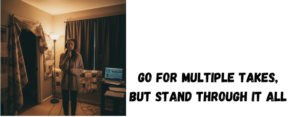
Sing in sections and comp your favorite bits together later. It’s way less stressful than chasing a “perfect” take start-to-finish.
If you’re feeling the room too much, try the oldest hack in the book: sing while facing a thick pillow or couch cushion, with your mic just in front of it to suck up early reflections.
6. Capture Dry, Mix Smart
Don’t slather on reverb or effects when tracking—your goal is the driest, cleanest vocal you can get. You’ll add back space, warmth, and air afterwards in your DAW when you have control. Sometimes subtle room character can sound cool for lo-fi projects, but if you want a modern, pro sound, dry is always safer.
7. Post-Recording Smoothing
If you still hear some room or echo, don’t panic. Noise reduction tools, carefully set gates, or mild de-essing can go a long way without wrecking your voice. A little goes a long way—if you have to tweak it a lot, revisit your setup next take
Recap: Real Home Vocals, No Booth (No Excuses)
- Forget fancy gear—focus on using the softest, most cluttered space available
- Dampen reflections with blankets, cushions, closets, or DIY mini-tents
- Mic placement, cardioid mode, and distance matter more than you think
- Minimize noise before you record… not after
- Record extra takes, edit cool sections together, and always keep it dry
With some DIY spirit, honest listening, and experimenting until it sounds right, you’ll nail clean, intimate vocal tracks—without a booth, without the stress, and with nothing standing between you and the song.
Here you can also find amazing drum thrones; alternatively, browse our product page to find the best keyboard bench, audio mixers, drum mics, piano bench, keyboard stand, speakers, party speakers, and more.