

Let’s cut the guesswork: miking up a sax or flute is a whole different animal than vocals or guitar. Winds want detail—but not harshness. They need a mic that can keep up with roaring crescendos and the softest whisper. If you’re fighting with feedback, battling honk, or just sick of sounding flat, you need gear built for the blows and breaths of wind performance.
The right mic? It’s the difference between thin recordings and the fat, honest tone that gets you gigs. Here’s how to pick out a winner.
What Actually Matters When Choosing a Wind Mic
- Directionality: Stick to cardioid or supercardioid to kill bleed—especially if you’re sharing space with drums or amps.
- SPL and Headroom: Winds—and especially sax—can be loud. You need a mic that won’t distort when you dig in, but still picks up ghost notes and subtle vibrato.
- Mounting and Movement: Clip-ons and mini goosenecks are freedom. They let you stroll the stage or lean into crowd moments without being tied to a boom.
- Frequency Profile: For sax, you want that touch of warmth without mud. For flute, you need sparkle minus the shrill. The best mics get this right out of the box, not just via post-EQ.
Top Real-World Picks
5 Core Dynamic Instrument Microphone (Model 300-BLK)
This professional unidirectional pencil-type dynamic instrument microphone delivers clear, wide frequency response tailored for instrument miking. Its durable metal construction ensures longevity for stage or studio use. The cardioid pickup effectively isolates the sound source, minimizing background noise. The compact, pencil-style mic is an excellent choice for miking guitars, drums, and other instruments, providing precise audio capture.
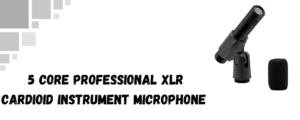
- Polar pattern: Cardioid (unidirectional)
- Frequency response: Wide range, optimized for instruments
- Build: Rugged metal construction
- Connection: Standard XLR
- Application: Instrument miking for stage and studio
- Price: Typically affordable, around $40–$60
Audix ADX10-FLP Cardioid Condenser Flute Microphone
A compact and highly sensitive condenser microphone designed specifically for the flute and other woodwind instruments. The ADX10-FLP offers a cardioid pickup pattern to isolate the instrument’s sound and reduce stage noise. It mounts with a flexible gooseneck clip allowing precise positioning near the instrument’s tone holes. Its frequency response is tailored to capture bright, clear flute tones, making it ideal for professional performance and recording.
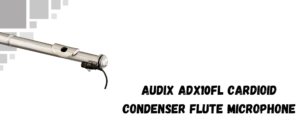
- Type: Condenser microphone, cardioid
- Frequency response: Wide, with an emphasis on clarity for flute
- Accessories: Flexible gooseneck clip mount included
- Connection: XLR output
- Price: Approximately $380 (professional-grade microphone)
- Use: Preferred by professional flutists, ensembles, and studios
Shure SM57 Dynamic Instrument Microphone
The Shure classic dynamic instrument microphone widely used for miking instruments such as guitar amps, drums, and horns. It has a cardioid pattern to reject off-axis sound and a tailored frequency response that emphasizes clarity and punch for instrument capture. Rugged and reliable, it is a studio and stage standard across genres.
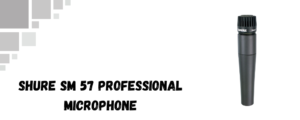
- Polar pattern: Cardioid
- Frequency response: 40 Hz – 15 kHz, tailored for instruments and vocals
- Highly durable metal construction
- Connector: XLR
- Price: Around $100–$110
- Versatility: One of the most popular instrument mics worldwide
Quick-fire Tips (From Someone Who’s Lived It)
- Always use a foam windscreen—honestly, you’ll thank yourself the first time you move onstage, or someone coughs in front of the bell.
- If you switch horns throughout a show, go clip-on with fast on/off hardware.
- Don’t be afraid of an extra room mic for lushness in recordings—but only trust your close-mic for live solo cut.
Bottom Line:
The secret to killer wind instrument sound isn’t some secret trick—it’s about using a mic that’s made for your kind of playing, that fits your workflow, and that makes you forget it’s even there. Nailing your live tone or first-take studio sound? With these mics, you’re halfway there before you even start.
If you play with soul, match it in your tech—your audience and ears will notice.
Here you can also find amazing drum thrones; alternatively, browse our product page to find the best keyboard bench, audio mixers, drum mics, piano bench, keyboard stand, speakers, party speakers, and more.