
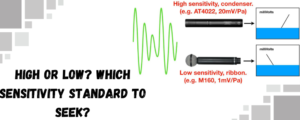
Let’s get one thing out of the way—most folks never check “microphone sensitivity” before plugging in. But ask any studio vet or gigging engineer and the stories come flooding out: chosen the wrong sensitivity, spent an hour chasing ghosts in the mix, or burned the best take because the room noise bled all over a vocal.
So, if you care at all about your sound, it’s time to unpack sensitivity—the hidden gear factor shaping every recording behind the scenes.
What Is Microphone Sensitivity—And Why Does It Matter?
The spec sheet definition? Sensitivity is how much electrical voltage a mic outputs when hit with a standard sound pressure level—usually measured as millivolts per pascal (mV/Pa) or decibels relative to one volt per pascal (dBV/Pa).
In street terms:
- Sensitive mics need less driving force—they pick up quiet whispers, gentle breathing, shuffling fingers on guitar strings, and faint overtones that add magic in a studio mix.
- Less sensitive mics need a louder source—great for live shows with amps roaring, belters, or when you absolutely can’t have unwanted noise creeping in.
Sensitivity in Action: Weird Real-World Truths
Ever set up a condenser mic for vocals, only to capture traffic, HVAC hum, and a neighbor’s dog? That’s ultra-high sensitivity in all its glory—and annoyance. On the flip side, running a dynamic mic with low sensitivity for bedroom podcasting means cranking the preamp just to hear yourself, dragging hiss and background rumble into the game.
Sensitivity shapes:
- How far you can sit from the mic—high sensitivity lets you relax a bit; low forces a close-up.
- How much background gets picked up—high sensitivity turns your mic into a “room gossiper.”
- The detail in the signal—from airy vocals to brittle percussion, higher numbers mean finer textures… but sometimes too many.
The Human Story: Choosing Wisely
Every studio has its battle tales. Jazz singers need high sensitivity to snatch up vocal nuances. Metal drummers want low sensitivity so kick drums and crash cymbals don’t swamp the preamp.
Podcasting in a noisy apartment? Beware super-sensitive mics unless you fancy editing out refrigerator hum for hours. This isn’t about chasing the “best”—it’s about suiting your environment, style, and the quirks of every sound source you record.
Comparing High and Low Sensitivity—Which Fits Your Setup?
| Use Case | High Sensitivity | Low Sensitivity |
| Whisper vocals, acoustic ambience | Ideal—captures every shade | May miss subtle inflections |
| Loud stages, amps, outdoor gigs | Can swamp with noise & feedback | Dials in only the essentials |
| Far miking | Stays crisp at a distance | Tends to lose warmth |
| Streaming, podcasting | Records breath and pops | Cleaner, more focused voice |
Digging Deeper: Other “Gotchas” in Sensitivity
- Preamps Are Your Friend and Enemy: A sensitive mic lets your gear run lean—less gain needed, less hiss. But push low sensitivity with extra gain and background artifacts creep in.
- Phantom Power: Many sensitive mics (condensers) need phantom power, but don’t treat sensitivity as the same thing. Plenty of dynamics work well in noisy spaces, even without fancy specs.
- Impedance, Self-Noise, and SPL: Sensitivity is just one cog in the complex system of mic design. Always check compatibility with your interface, mixer, and cable runs.
Practical Wisdom for Real Recording
- Grab a high sensitivity condenser for nuanced studio sessions—singer-songwriter, ambient, ASMR, acoustic.
- Choose lower sensitivity dynamics for rock, live gigs, or noisy homes, especially when bleed and feedback are sworn enemies.
- Environment always trumps gear—treat your room, know your signal chain, and trust your ears on every test run.

Closing Thoughts: Sensitivity Isn’t a Tiny, Useless Detail
Mic sensitivity won’t win you bar talk at the next gig, but it’ll save songs, fix headaches, and keep recording nightmares at bay. On noisy nights or quiet days, matching sensitivity to your sound is the hallmark of someone who actually gives a damn about their craft.
Don’t blindly trust numbers—listen, fiddle, and tailor every pick to the vibe and messiness of real life.
Here you can also find amazing drum thrones; alternatively, browse our page to find the best keyboard bench, audio mixers, drum mics, piano bench, keyboard stand, speakers, party speakers, and more.